
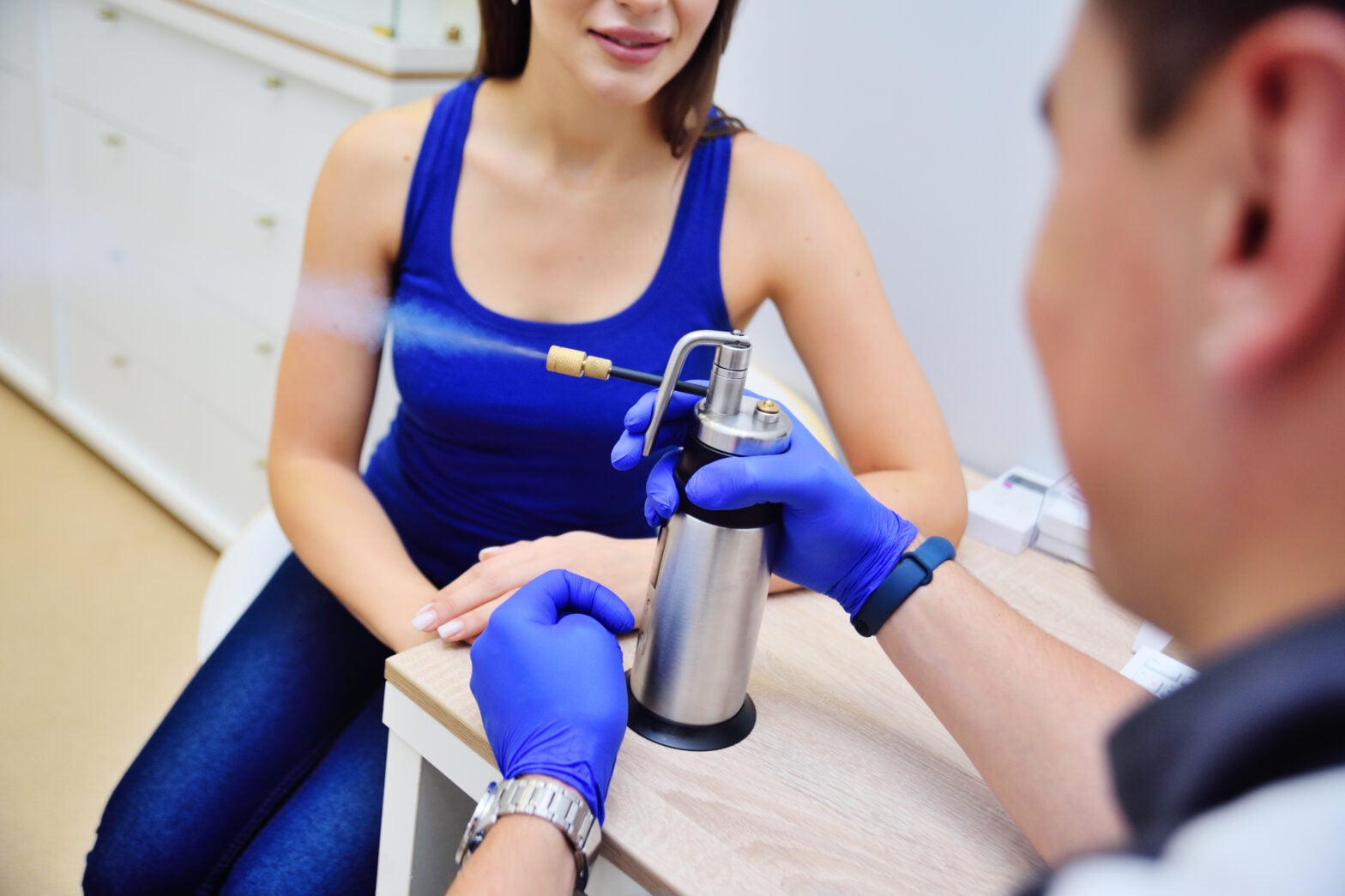
Have you discovered the benefits of cryotherapy?
Cryotherapy is an advanced recovery treatment that uses controlled cold exposure to reduce inflammation, relieve pain, and support the body’s natural healing process.
Whether you are recovering from an injury, managing chronic discomfort, or looking to enhance recovery after activity, cryotherapy offers a safe, non-invasive solution designed to help you move and feel better.
Benefits of cryotherapy
- Pain management: Effectively relieves both acute and chronic pain through cold exposure.
- Natural detoxification: Constricts blood vessels to help the body naturally remove toxins and inflammatory markers.
- Localized treatment: Mountain Land Physical Therapy Partners uses targeted cryotherapy to focus specifically on the site of injury or pain.
- Recovery & prevention: Speeds up injury recovery times and helps prevent future physical setbacks.
- Systemic boost: Promotes enriched oxygen levels in the blood and provides a natural energy boost.
How does cryotherapy work?
Cryotherapy uses the healing properties of low temperatures to compound both acute and chronic pain. With cryotherapy, your skin temperature is temporarily lowered to help your blood vessels constrict, allowing your body to naturally remove toxins and inflammatory compounds from your bloodstream.
This, in turn, promotes pain relief, and the delivery of enriched oxygen and nutrients to the blood. By participating in cryotherapy treatments, you will be able to discover the many benefits that it can have for your body, including, but not limited to:
- Fast and effective pain relief
- Injury recovery with 25% shorter muscle fatigue recovery
- Injury prevention
- Reduced inflammation by decreasing IL-1β and increasing IL-10
- Boost of energy
- Improved health overall
Contact Mountain Land Physical Therapy Partners today to learn more!
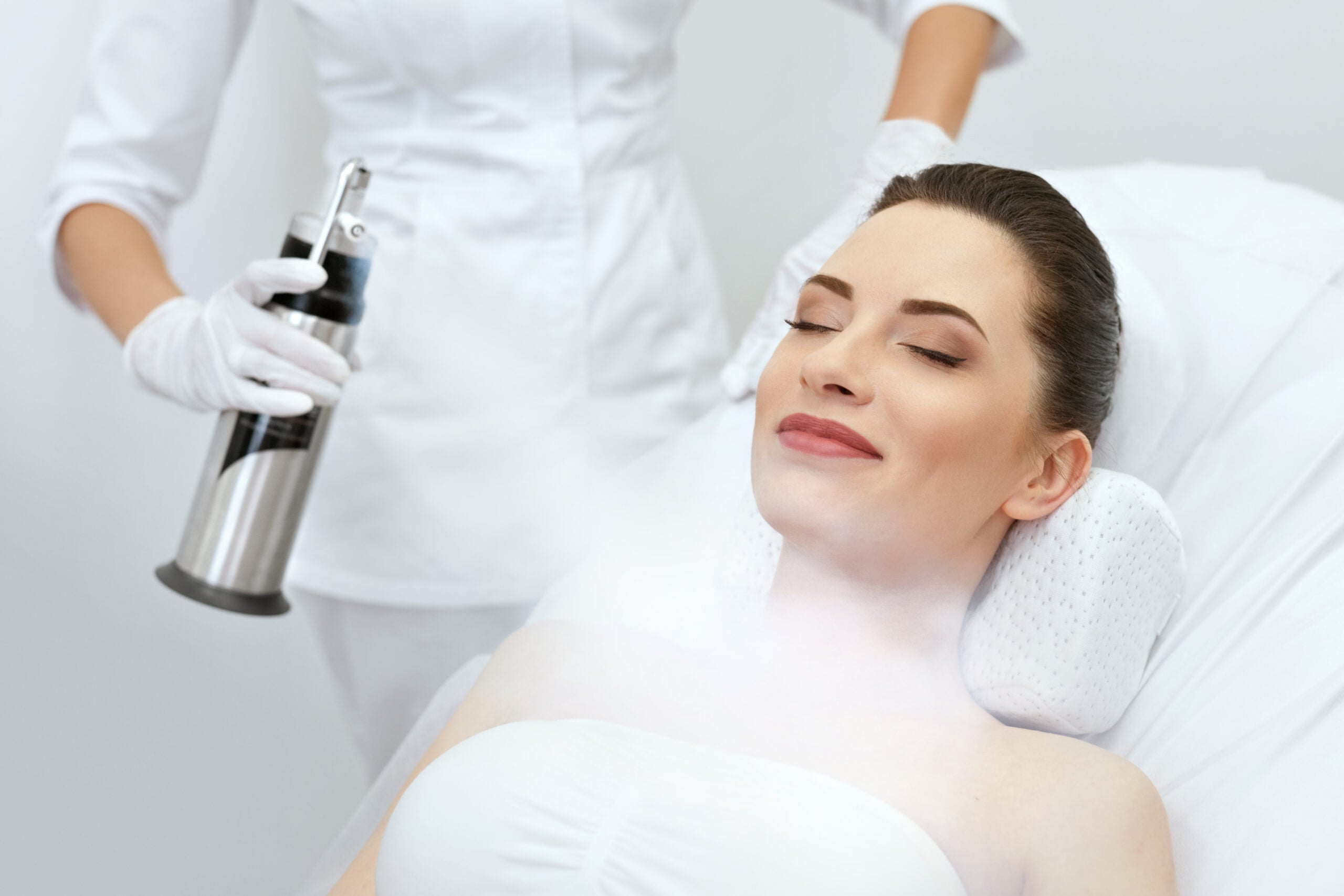
What to know about a cryotherapy session
Cryotherapy in physical therapy uses controlled cold to help reduce pain, swelling, and muscle spasm in a targeted area.
- Sessions typically last 10–15 minutes.
- You may feel intense cold at first, followed by stinging or aching, and then numbness.
- Your physical therapist may recommend cryotherapy after exercise or manual therapy, or during symptom flare-ups.
Wear loose, comfortable clothing so we can access the treated area. Let your therapist know if you have decreased sensation, poor circulation, or a history of cold-related reactions.
After treatment, the area will re-warm over the next several minutes. It’s normal for the skin to look pink or slightly red.
What injuries or conditions can cryotherapy help with?
Localized cryotherapy can ease pain and swelling from:
- Sports injuries, including sprains and strains, with 30%-40% faster muscle soreness relief
- Tendonitis
- Joint irritation (like knee or shoulder pain)
- Post-surgical swelling
- Acute flare-ups of arthritis
Your therapist will help determine whether cryotherapy is the right fit for your symptoms and plan of care.
Are there any risks or side effects of cryotherapy?
Most people have only mild, short-term effects such as temporary redness, numbness, or a “cold burn” sensation.
Cryotherapy may not be appropriate if you have:
- Uncontrolled high blood pressure
- Poor circulation or vascular disease
- Raynaud’s syndrome
- Cold urticaria (hives) or other cold hypersensitivity
- Reduced sensation in the area being treated
If you’re unsure, ask your physical therapist before starting.
What will I feel during a cryotherapy session?
- Cold
- Stinging or aching
- Numbness
- Re-warming
Tell your therapist if you feel sharp pain, burning, or anything that feels unusual.
Get started with cryotherapy
Interested in experiencing the benefits of cryotherapy for pain relief, recovery, and performance? Contact Mountain Land Physical Therapy Partners today to schedule a consultation with one of our experienced physical therapists.
With convenient locations across Utah, Idaho, and Montana, our team will help you explore whether cryotherapy is right for you and create a plan focused on lasting relief, improved recovery, and better movement.