

Relieve your jaw pain from TMJ dysfunction. Live comfortably again with help from a physical therapist.
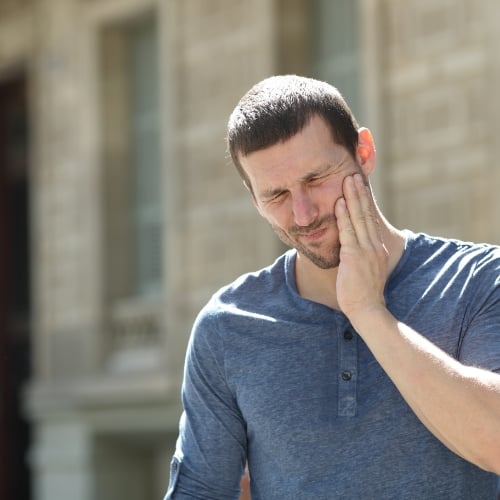
Do you have difficulty chewing or yawning? Do you experience jaw pain? Do you hear clicking noises when you open or close your mouth? If you have been experiencing difficulties with your jaw, there is a chance you may have TMJ Dysfunction, which affects 11.2 to 12.4 million U.S. adults.
Temporomandibular joint dysfunction, also known as TMJ dysfunction, is a condition that causes pain and stiffness of the jaw joint and its surrounding muscles.
The temporomandibular joint connects your jaw to your skull. If this joint is injured or damaged, TMJ dysfunction may develop.
The temporomandibular joint is a complex and important structure composed of bones, tendons, and muscles that may cause you to feel pain on one or both sides of the jaw. This can make it very difficult to open your mouth, talk, yawn, and chew.
Could you be living with TMJ dysfunction? Request an appointment with Mountain Land Physical Therapy Partners to find relief with physical therapy.
How do I know if I have TMJ dysfunction?
Look for these common signs:
- Jaw pain or tenderness
- Clicking, popping, or grinding when you open or close your mouth
- Headaches, earaches, or pain in the temples
- Stiffness or locking of the jaw
TMJ problems can start from teeth grinding, jaw injury, arthritis, or habits like chewing gum, with the condition being twice as prevalent in women as in men.
Only a health professional can confirm TMJ dysfunction. Your dentist, primary care provider, or physical therapist will review your history, watch how your jaw moves, and may order imaging to rule out other issues. If the exam points to TMJ dysfunction, they will guide you to the right treatment, often beginning with physical therapy.
How can physical therapy help TMJ dysfunction?
Physical therapy eases pain, restores motion, and teaches you how to use your jaw without strain through specialized TMJ/TMD therapy, with significant pain reduction after 3 months of treatment.
At Mountain Land Physical Therapy Partners, we will:
- Assess how your jaw, neck, and upper back move
- Use gentle hands-on techniques to relax tight muscles and mobilize the joint
- Show you specific jaw and posture exercises to do at home
- Apply treatments such as ultrasound or electrical stimulation when needed
- Coach you on habits that reduce stress on the joint, like avoiding hard or chewy foods
Most people notice less pain and smoother jaw movement within a few weeks when they follow their plan.
Afterward, one of our dedicated physical therapists will create a treatment plan tailored to your symptoms and specific needs.
What exercises can I do at home to relieve TMJ pain?
Try these gentle moves 5–6 times a day, stopping if pain increases:
- Chin tuck: Stand tall and draw your chin straight back, making a “double chin.” Hold 5 seconds.
- Controlled mouth opening: Place your tongue on the roof of your mouth, then slowly open and close your jaw without letting the tongue drop.
- Side-to-side glide: With your mouth slightly open, shift your lower jaw left, then right, keeping the motion smooth.
These exercises train the joint to move evenly and reduce muscle tension. For a personalized program, ask your physical therapist.
How long does it take to feel better with physical therapy for TMJ?
Many patients start to notice less pain and easier jaw movement within 2–4 weeks. Mild cases may resolve in a month, while long-standing or severe problems can take 8–12 weeks. Your timeline depends on the cause of your TMJ dysfunction, how closely you follow your home program, and lifestyle factors like stress and posture.
Do I need a referral to see a physical therapist for TMJ dysfunction in Utah?
No. Utah is a “direct access” state, so you can schedule an evaluation with a physical therapist without a physician’s referral. Some insurance plans still require a referral for payment, so check your benefits before your first visit.
Key takeaways
- What is TMJ? Temporomandibular joint dysfunction affects the jaw joint and surrounding muscles, causing pain, stiffness, and clicking.
- Common symptoms: Look for jaw popping, headaches, locking of the jaw, and difficulty chewing or yawning.
- Diagnosis: A physical exam and medical history review are used to rule out other conditions like trigeminal neuralgia or salivary gland disease.
- Treatment options: While home remedies like ice and OTC pain relievers provide temporary relief, physical therapy offers a holistic, long-term solution.
- How PT helps: Therapists use jaw exercises, joint mobilization, and soft tissue massage to restore normal function and eliminate pain.

Get started on your TMJ treatment plan today
If you are in Utah, Idaho, or Montana and find yourself suffering from the symptoms of TMJ dysfunction, request an appointment at Mountain Land Physical Therapy Partners.
Our physical therapists are patient-centric and committed to your health, working hard to help you manage and eliminate symptoms.
Don’t suffer from jaw pain and stiffness any longer!
Start taking control of your health. Get started today.