
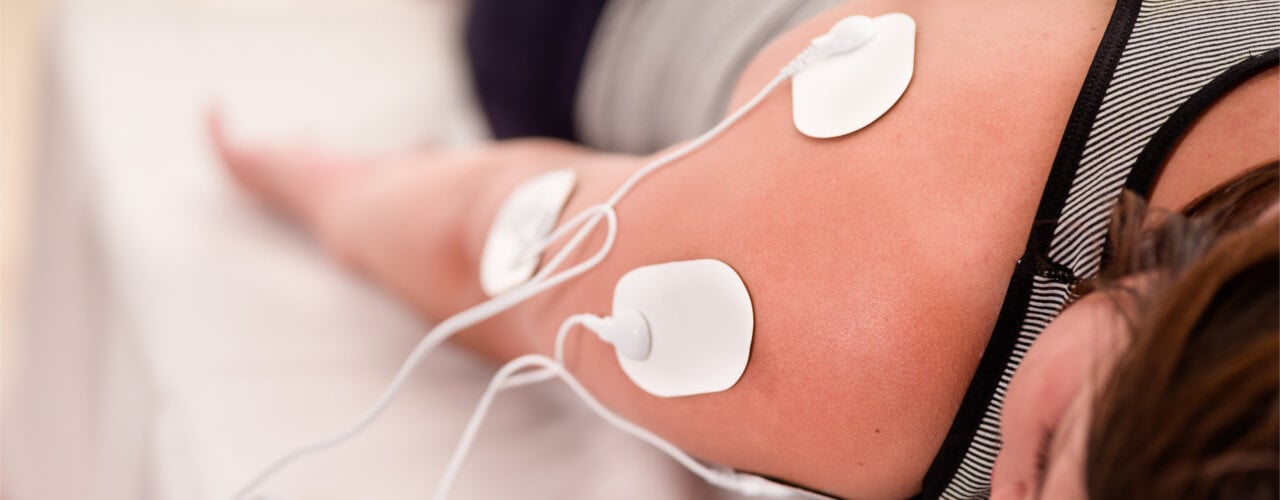
Iontophoresis is a form of electrical stimulation that physical therapists use to administer medication through the skin. It is a therapeutic modality used in some specialized treatment plans tailored to the patient’s needs. It can treat a variety of conditions, including:
- Bursitis
- Tendinitis
- Scar tissue management
If you are experiencing a condition that is causing tissue damage, contact Mountain Land Physical Therapy Partners today to find out if iontophoresis could benefit you.
Key takeaways
- Non-invasive delivery: Iontophoresis uses electrical stimulation to deliver medication through the skin without needles.
- Conditions treated: Effectively manages bursitis, tendinitis, and scar tissue.
- Painless treatment: The process is painless, though patients may feel a mild tingling sensation.
- Flexible duration: Depending on the medication, patches are worn for a set time, occasionally up to 24 hours.
How does iontophoresis work?
During iontophoresis, a physical therapist places a small patch over the affected area with your prescribed medicine on it. The patch has a tiny battery with two electrodes: one positive, one negative. The medicine sits on the electrode with the same charge. When the device is turned on, like charges repel, gently pushing the medication through the skin and into the injured tissue.
A typical session lasts 10 to 20 minutes, or longer if you need to wear a take-home patch. You may feel a mild tingling, but it should not hurt. After the patch comes off, the skin might look a little red, but this fades quickly. Your therapist will tell you how many treatments you may need.
Is iontophoresis safe during pregnancy?
Because iontophoresis uses electrical current and the safety data for pregnant patients is limited, therapists usually avoid this treatment if you are pregnant or might be pregnant. Always tell your physical therapist and doctor about your pregnancy before starting any electrotherapy.
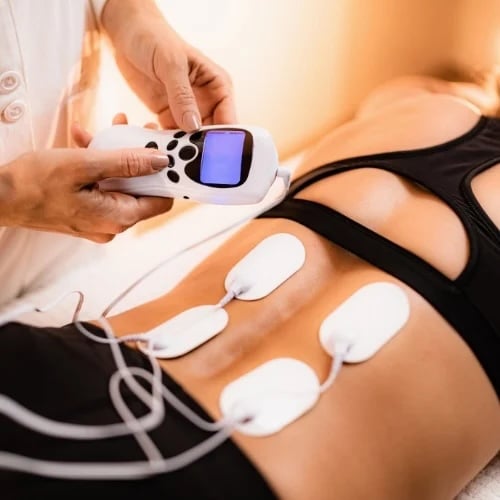
Does insurance cover iontophoresis?
Coverage for iontophoresis varies by plan. Many insurers consider iontophoresis a standard physical therapy service, but you may need a doctor’s prescription and pre-authorization.
We encourage you to call your insurance company and ask about benefits for “iontophoresis, CPT code 97033.”
Can iontophoresis help relieve pain?
Yes. By driving anti-inflammatory or pain-relief medicine directly into sore tissue, iontophoresis can reduce swelling and ease pain from conditions like tendinitis, bursitis, sprains, or muscle strains, with transdermal delivery ensuring 95% of the medication reaches the cells where it’s needed. A 2024 clinical trial showed statistically significant pain reduction using iontophoresis therapy with lidocaine and dexamethasone.
Does iontophoresis hurt?
Most people feel only a light tingling or warmth under the patch. It should not be painful. Tell your therapist right away if you feel burning or sharp discomfort.

Schedule an appointment to explore your treatment options
Our physical therapists are dedicated to creating the best treatment plan for you. Schedule an appointment at any of our convenient clinic locations in Utah, Idaho, or Montana today.
Your next steps
- Request an appointment
- Receive a custom treatment plan
- Work hard and progress in your recovery
- Recover & enjoy life pain-free!