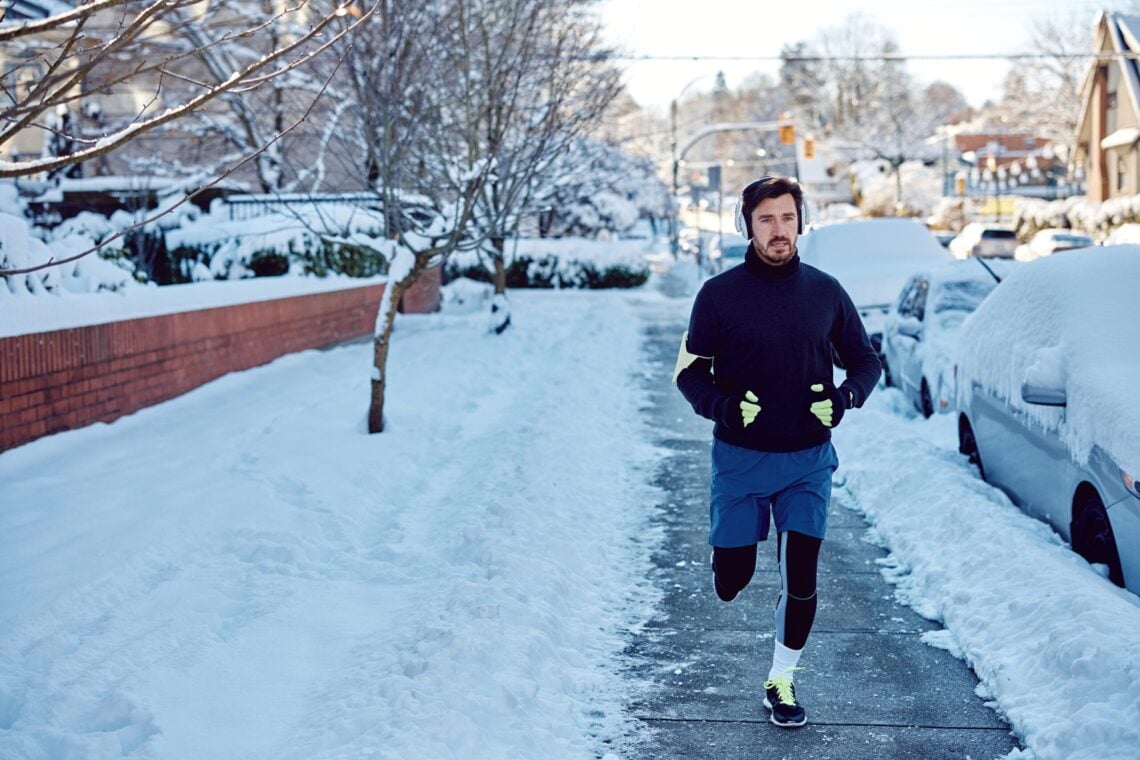
Winter has a way of making everyday errands feel like an obstacle course. One minute you’re walking to your car like normal, and the next whoops you’ve slipped on an icy patch and hit the ground before your brain fully catches up.
If that’s you right now, take a breath. Slipping and falling on ice is incredibly common, and it can lead to real injuries even if it doesn’t seem “that bad” at first. The good news: you don’t have to wait until you’re miserable to get help. Physical therapy can support your recovery every step of the way, from those first sore days to getting you confidently back on your feet.
Why Ice Falls Can Turn Into Personal Injuries (Even When You Feel “Fine”)
After an icy slip and fall, it’s normal to think:
-
“I’m just sore.”
-
“It’ll go away on its own.”
-
“Other people have it worse.”
But here’s the thing: falls are sneaky. In the moment, adrenaline can mask pain. And many injuries don’t fully show up until 24–72 hours later, when inflammation, bruising, and stiffness ramp up.
Common personal injuries after slipping on ice include:
-
Sprains and strains (ankle, knee, wrist, shoulder)
-
Hip and low back pain
-
Neck pain and whiplash-like symptoms
-
Wrist/hand injuries from catching yourself
-
Shoulder pain (especially rotator cuff irritation)
-
Headaches or dizziness after a hard impact
-
Muscle tightness and reduced mobility that lingers
Even a “minor” fall can cause your body to compensate limping, moving differently, sleeping awkwardly which can create secondary pain in your back, hips, or opposite leg.
What to Do Right After a Slip and Fall on Ice
If you recently fell, here are practical next steps (without overthinking it):
1) Check for red flags
If you hit your head, have severe pain, numbness/tingling, feel faint, or can’t put weight on a joint, seek urgent medical care.
2) Use the basics: rest, gentle movement, and smart icing
A little rest is helpful, but total inactivity can make stiffness worse. Light movement (as tolerated) helps circulation and reduces the “lock-up” feeling.
3) Pay attention over the next few days
Worsening pain, swelling, reduced range of motion, or trouble walking comfortably are great reasons to get assessed.
“It Doesn’t Have to Be Bad” to Reach Out for Help
This is a big one: you don’t need to be in extreme pain to benefit from physical therapy.
In fact, early support is often the difference between:
-
a short, straightforward recovery
and -
weeks (or months) of nagging pain that keeps coming back.
If you’re thinking, “Should I get this checked out?”—that’s usually your sign.
How Mountain Land Physical Therapy Helps After an Ice-Related Fall
At Mountain Land Physical Therapy, the goal isn’t just to help you feel better for a day. It’s to help you recover fully so you can walk, work, exercise, and live without feeling guarded or unstable.
Depending on your injury, your physical therapist may help with:
Pain relief and inflammation control
We use targeted strategies to calm pain and help the area heal without losing mobility.
Restoring mobility and flexibility
Falls often create stiffness in the ankle, hip, back, and neck. You’ll work on safe range of motion so your body doesn’t “freeze up.”
Strength and stability (so you don’t re-injure it)
A big part of slip-and-fall recovery is rebuilding strength—especially in stabilizers around the ankle, knee, hip, and core.
Balance training
If you feel shaky after a fall (physically or mentally), balance work helps restore confidence and reduces the risk of another tumble.
A plan you can actually follow
No confusing routines. No “generic” printouts. Just a clear, personalized plan and guidance every step of the way.
Signs You Should Consider Physical Therapy After Falling on Ice
If any of these sound familiar, it’s worth booking an evaluation:
-
Pain that lasts more than a few days
-
Swelling or bruising that’s increasing
-
You’re limping or moving differently
-
Stiffness in your neck, back, hip, or shoulder
-
Pain when lifting, gripping, or reaching
-
You feel unsteady, cautious, or afraid of falling again
-
Your workouts (or sleep) feel “off” since the fall
The Bottom Line
Slipping on icy roads or sidewalks can cause real personal injuries sometimes obvious, sometimes subtle. And while it’s tempting to “wait it out,” you don’t have to feel terrible to reach out for help.
If you’ve fallen recently and something doesn’t feel right, Mountain Land Physical Therapy can help you recover with a clear plan, personalized care, and support from day one.
Ready to Feel Steady Again?
If you’d like, schedule an evaluation with Mountain Land Physical Therapy and get answers and a plan without guessing.